Eddy Current Separator
Description
Product Description
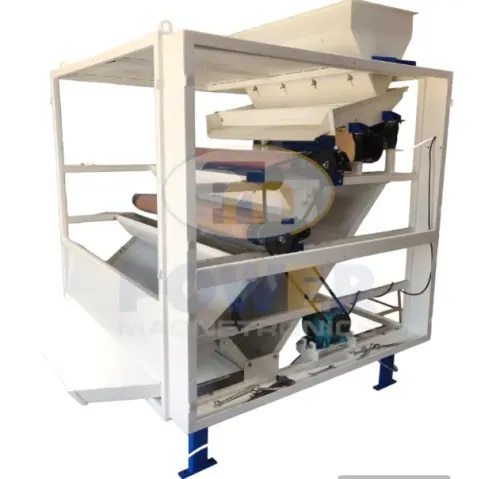
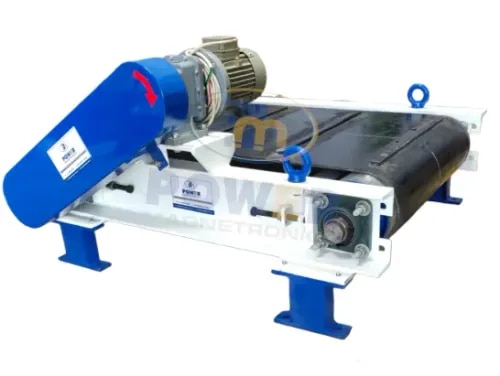
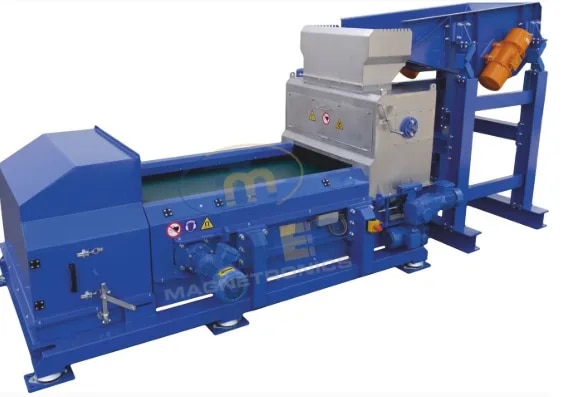
Power Magnetronics make Eddy Current Separator is an advanced material sorting unit that is capable of separating non-ferrous metals such as aluminium and copper from dry recyclables. Eddy Current Separators are designed to generate eddy currents in high-frequency, alternating-frequency magnetic fields, and to automatically separate non-ferrous metals (aluminum, copper, zinc, etc.) from non-conductive materials. It is widely used in environmental protection industries, like waste classification, waste electrical and electronic equipment recycling, and the treatment of non-ferrous metal industrial materials. The separation efficiency is good for a wide range of non-ferrous metals, which features strong adaptability, and reliable mechanical structure, high efficiency in separation.
Eddy current separator is most suitable for recycling copper, aluminum and other non-ferrous metals from industrial waste and MSW(Municipal Solid Waste). It is designed to tackle and separate non-ferrous metals such as aluminum, copper. They can effectively be used for most applications that need to eliminate non-ferrous materials from the product flow. Nowadays, it's vastly used in the recycling industries of rubbish, automobiles, electronics, and the material processing of non-ferrous metals, etc. Most applications, the Eddy Current Separator is used in line with other separation equipment to ensure a clean recycled product. It has excellent performance on recycling of many kinds of non-ferrous metals.
Working Principle
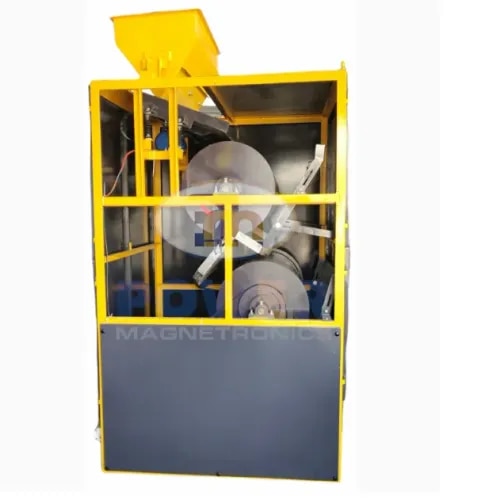
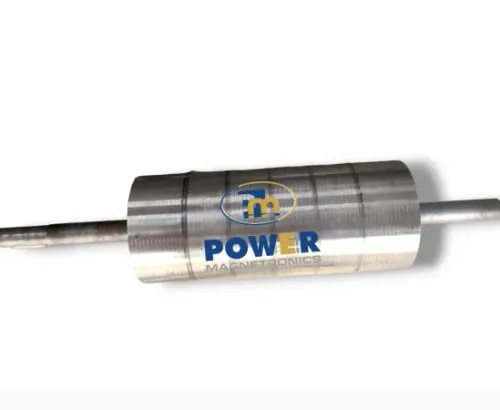
Material is fed upon the conveyor belt of the eddy current separator, which moves it across the magnetic rotor where separation happens. The magnetic rotor is surrounded by (but not attached to) a wear shell which supports the conveyor belt. This allows the rotor to spin individually and at a much higher speed than the wear shell and belt. When a piece of nonferrous metal, such as aluminum, passes over the separator, the magnets inside the rotor rotate past the aluminum at high speed. This creates eddy currents in the aluminum which in turn produces a magnetic field around the piece of aluminum. The polarity of that magnetic field is the same as the rotating magnet, making the aluminum to be repelled away from the magnet. This repulsion makes the trajectory of the aluminum greater than that of the non-metallic, allowing the two material streams to be separated.
Consideration
Results can be affected by the following factors;
Magnetic rotor speed
Magnetic rotor angle setting
Belt speed
Strong and deep magnetic field
Characteristics
Easy to install at new production lines or existing production lines.
Adjustable frequency to meet customer's various sorting effects.
Optional 3mm or more fine material particles.
Select different magnetic rotors according to different processing requirements.
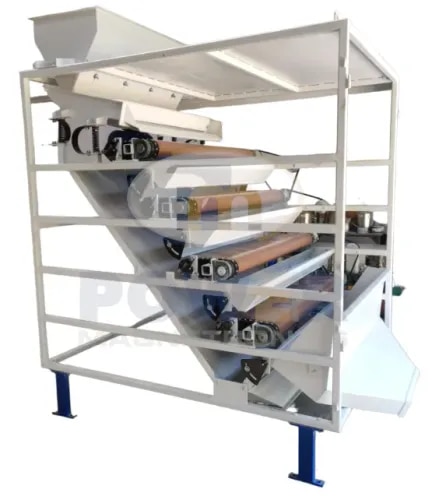
Multi-level sorting products are available.
Easy to operate, low operating costs.
Advantages
Rich experience in design and production can ensure mature product technology, stable performance and reliable quality
Simple structure, easy and convenient to install, operate and maintain
Magnetic rotor speed - 0-3000rpm rotation speed
Magnetic rotor angle setting - manually adjustable rotor position in drum shell
Belt speed - adjustable speed motor drive
Strong and deep magnetic field - high grade NdFeb magnet system with multiple poles in the rotor
Application
Mainly used in industrial waste processing (plastics, broken glass, electronic waste, automotive waste, boiler bottom ash, foundry sand, etc.), household waste disposal, recycling of waste electrical appliances and mixed metal waste processing and other fields.
Recovering non-ferrous metals such as aluminum, copper, and zinc from automotive industrial waste
Automatic cleaning of aluminum beverage cans from mixed waste recycling
Separate aluminum pull rings, aluminum bottle caps, etc. from waste glass pieces
Separation of non-ferrous metals from incinerator ash
Recover aluminum from shredded waste
Removal of aluminum impurities in foundry sand
Remove aluminum impurities from plastic particles
Electronic waste disposal (refrigerator dismantling line).
Separation of aluminum cans and ferrous metals.
Separate aluminum or copper block from the sections of abandoned cars.
Separate non-ferrous metal impurities in some production lines(such as plastic recycling production line).
Separate non-ferrous metals from the wood.